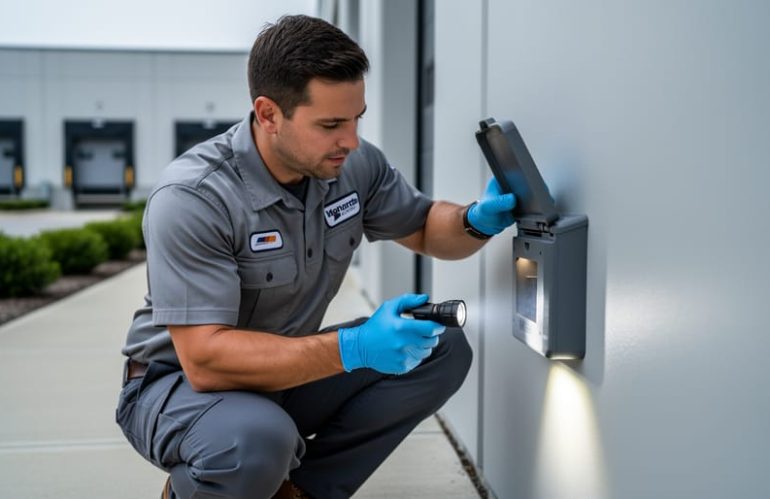
Pest problems in commercial real estate can derail transactions worth millions, turning the process to sell commercial premises with rats or other infestations from a straightforward sale into a protracted negotiation nightmare. For facility managers and property owners facing this challenge, integrated pest management (IPM) offers a strategic solution that protects property value while addressing the root causes of infestations.
Unlike reactive pest control that simply responds to visible problems, IPM combines prevention, monitoring, and targeted interventions to create long-term solutions. This approach proves particularly valuable during property transactions, where documented pest management protocols demonstrate professional stewardship and can prevent deal-breaking inspection failures.
The financial implications are substantial. Commercial properties with active pest issues typically see value reductions of 10-20 percent, while comprehensive IPM programs cost a fraction of that amount and position buildings as well-maintained assets. Modern buyers increasingly scrutinize environmental management practices, making IPM not just a pest solution but a competitive advantage.
This guide provides facility managers and property owners with actionable strategies to implement effective IPM programs, from initial assessment through documentation for prospective buyers. Whether you’re preparing a property for sale or managing long-term portfolio assets, these proven methods will help you transform pest management from a liability into a demonstration of operational excellence and environmental responsibility.
Why Pest Issues Threaten Commercial Real Estate Transactions
Pest problems represent one of the most significant red flags in commercial real estate transactions, often derailing deals or dramatically reducing property values. When inspectors discover active infestations or evidence of recurring pest issues, buyers immediately question the overall maintenance standards and structural integrity of the building. What begins as a rodent or termite problem quickly evolves into concerns about hidden damage, compromised insulation, contaminated HVAC systems, and potentially costly remediation.
The financial impact can be substantial. Properties with documented pest issues typically see valuation reductions ranging from 10% to 25%, depending on severity and the type of pest involved. Termite damage alone can require tens of thousands in structural repairs, while rodent infestations may necessitate complete electrical rewiring if gnawed wires create fire hazards. These direct costs pale in comparison to the transaction delays, extended negotiations, and deals that fall through entirely when buyers lose confidence.
Beyond immediate financial consequences, pest issues create significant legal liability. Sellers who fail to disclose known infestations face potential lawsuits for fraudulent misrepresentation. Even after closing, undisclosed pest problems can result in rescission claims or substantial damages. For commercial properties housing restaurants, healthcare facilities, or food processing operations, the reputational damage extends to tenant relationships and future leasing prospects.
Experienced buyers recognize that visible pest activity signals deeper maintenance failures. A building with ongoing rodent problems likely suffers from unsealed entry points, drainage issues, and inadequate sanitation protocols. These interconnected problems suggest deferred maintenance across multiple systems, from roofing to waste management. This perception transforms a pest control issue into a fundamental question about the property’s operational standards and long-term viability, making comprehensive integrated pest management essential for protecting transaction value.
What Integrated Pest Management Actually Means for Property Owners
The Four Pillars of IPM Strategy
Successful IPM implementation rests on four interconnected pillars that work together to create a comprehensive pest management approach. Understanding these foundational elements helps property managers protect their investments while minimizing environmental impact.
Prevention forms the first pillar, focusing on making your property inhospitable to pests before they arrive. This includes sealing entry points, eliminating food and water sources, proper waste management, and maintaining building envelope integrity. Simple measures like weather stripping, door sweeps, and proper drainage systems can dramatically reduce pest pressure without chemical intervention.
The second pillar, monitoring, establishes early detection systems that catch problems before they escalate. Regular inspections, pest trapping devices, and detailed record-keeping allow you to track pest activity patterns and identify vulnerable areas. This proactive surveillance often reveals maintenance issues that, when addressed, simultaneously improve energy efficiency and reduce pest access points.
Threshold-based decision making represents the third pillar. Rather than treating every pest sighting as an emergency, IPM establishes action thresholds that balance tolerance levels with actual risk. A single ant doesn’t warrant building-wide pesticide application, but documented evidence of structural damage triggers immediate intervention. This approach protects property value while avoiding unnecessary chemical use.
The fourth pillar involves targeted interventions when thresholds are exceeded. These solutions prioritize the least toxic options first, from mechanical traps to localized treatments, reserving broad-spectrum pesticides as a last resort. This surgical approach addresses specific problems without compromising indoor air quality or creating liability concerns that could complicate future property transactions.
Building an IPM Program That Adds Value to Your Property
Conducting a Comprehensive Pest Assessment
A thorough pest assessment forms the foundation of any successful integrated pest management strategy. Begin by engaging a licensed pest management professional to conduct a comprehensive property inspection. This evaluation should examine both interior and exterior spaces, identifying current infestations, entry points, moisture issues, and structural vulnerabilities that attract pests.
Professional inspectors will assess high-risk areas including loading docks, waste management zones, HVAC systems, plumbing penetrations, and food service areas. They’ll document pest activity through visual inspection, monitoring devices, and environmental conditions that support pest populations. Request a detailed written report that categorizes findings by severity and location.
Complement the pest inspection with an environmental audit examining factors like drainage problems, landscaping practices, exterior lighting that attracts insects, and gaps in building envelope integrity. These conditions often contribute more to pest issues than inadequate treatment alone.
The assessment should also review current sanitation protocols, waste disposal practices, and building maintenance schedules. Understanding how daily operations impact pest pressure helps develop practical, sustainable solutions. For properties preparing for sale, this comprehensive evaluation provides essential documentation of conditions and demonstrates proactive management to potential buyers, protecting property value while establishing a clear remediation roadmap.
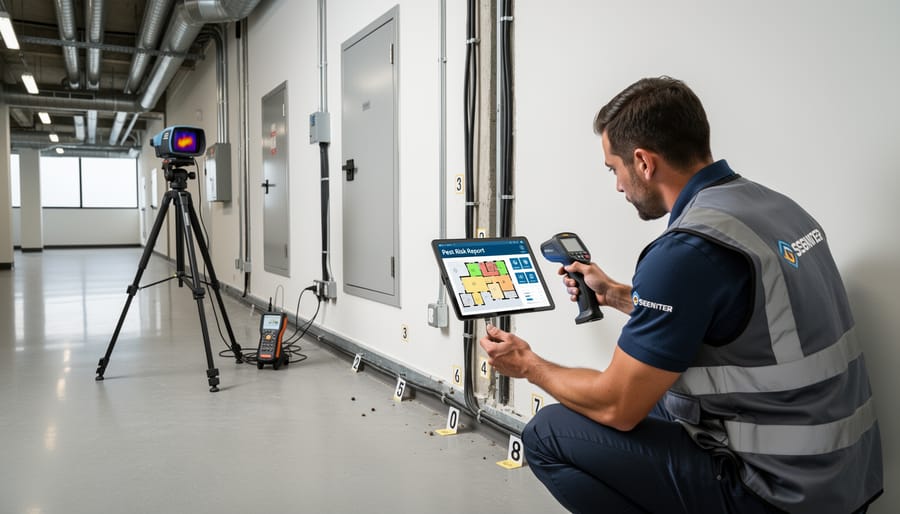
Implementing Preventive Measures and Structural Improvements
Structural improvements form the foundation of sustainable pest control and directly impact property value during sale negotiations. By addressing conditions that attract pests, you create long-term solutions that reduce reliance on chemical treatments and demonstrate proactive facility management.
Start by conducting a comprehensive building envelope assessment. Seal cracks in foundations, gaps around utility penetrations, and damaged weather stripping on doors and windows. Even small openings provide pest entry points. One Boston office complex reduced rodent activity by 70% within three months after sealing identified structural gaps and installing door sweeps.
Improve drainage systems to eliminate standing water that attracts mosquitoes and other pests. Ensure gutters function properly, grade soil away from foundations, and repair leaking pipes. These improvements also prevent moisture damage, protecting your building investment.
Implement rigorous waste management protocols with sealed containers, regular collection schedules, and designated storage areas away from building entrances. Proper waste handling removes food sources that sustain pest populations.
Optimize landscaping by trimming vegetation away from building exteriors, replacing mulch with gravel in foundation beds, and selecting plants that don’t attract problematic insects. These modifications reduce harborage sites while maintaining aesthetic appeal.
These preventive measures complement energy efficiency upgrades like improved insulation and weatherization, creating buildings that are simultaneously pest-resistant and operationally efficient—attractive qualities for environmentally conscious buyers.
Establishing Monitoring and Documentation Systems
A robust monitoring and documentation system transforms pest management from reactive crisis response to proactive value protection. Establish weekly inspection schedules for high-risk areas like loading docks, kitchens, and storage rooms, with monthly comprehensive facility walkthroughs. Digital trap monitoring systems now provide real-time alerts and automated reporting, eliminating manual check delays.
Your documentation should include detailed inspection logs with date-stamped photos, pest activity trends, treatment applications, and preventive maintenance records. This creates an auditable trail that demonstrates responsible property stewardship to prospective buyers and their due diligence teams. Many commercial buyers now request 12-24 months of pest management records during transactions.
Consider implementing dashboard systems that consolidate pest data alongside other facility metrics. This integration shows sophisticated property management and aligns pest control with broader operational excellence initiatives. One Chicago office building increased its sale price by 3% after presenting three years of comprehensive IPM documentation that proved zero structural pest damage and declining pest pressure trends.
Store all records in cloud-based systems accessible to property managers, pest professionals, and stakeholders. Transparency builds buyer confidence and often expedites transaction timelines by addressing concerns before they become negotiation obstacles.
Selecting Minimal-Impact Treatment Options
Modern IPM prioritizes precision over broad-spectrum solutions. When preparing commercial properties for sale, select treatment methods that target specific pests while minimizing environmental impact. Bait stations, pheromone traps, and biological controls often prove more effective than chemical sprays while demonstrating environmental stewardship to prospective buyers.
Low-toxicity options align with ESG standards that increasingly influence commercial real estate transactions. Gel baits for cockroaches, non-toxic heat treatments for bed bugs, and microbial insecticides for flies offer powerful pest control without compromising indoor air quality or creating liability concerns.
Document all treatment choices and their environmental benefits. Sustainability-focused buyers particularly value properties with established low-impact pest management protocols. Your IPM records become selling points that differentiate your property in competitive markets while protecting occupant health and meeting regulatory requirements.
The Business Case: How IPM Protects Your Sale Price
IPM Documentation as a Transparency Tool
Comprehensive pest management documentation transforms what could be a liability into evidence of responsible property stewardship. When prospective buyers conduct due diligence, detailed IPM records demonstrate that pest issues haven’t been ignored or hidden, but actively managed through professional protocols. This transparency significantly reduces perceived risk and can actually strengthen your negotiating position.
Your IPM documentation should include inspection reports with date stamps, treatment records specifying all methods and materials used, monitoring data showing pest population trends over time, and corrective action summaries. These records prove that any current or past pest activity has been addressed systematically rather than reactively. Many institutional buyers, particularly universities and healthcare facilities, specifically request pest management histories as part of their acquisition criteria.
Properties with three or more years of documented IPM implementation typically face fewer contingencies during sale negotiations. One commercial office building in Seattle presented five years of comprehensive IPM records during due diligence, demonstrating a 90 percent reduction in pest service calls. This documentation eliminated buyer concerns about potential hidden infestations and preserved the agreed-upon sale price without renegotiation. Well-maintained records essentially become a risk management asset.

Case Study: Office Complex Recovers Market Value Through IPM Implementation
When a Class A office complex in Seattle faced a potential sale collapse due to evidence of rodent activity in multiple tenant spaces, the ownership group implemented a comprehensive IPM program that not only resolved the infestation but increased the final sale price by 8% over the initial offer.
The 220,000-square-foot property had attracted serious buyers until due diligence revealed droppings in common areas and tenant complaints about mice in break rooms. The initial buyer reduced their offer by $2.3 million, citing remediation costs and potential tenant turnover.
Rather than accept the markdown, ownership partnered with an IPM-certified pest management firm and implemented a 90-day documented program. The strategy began with a complete property assessment identifying entry points, sanitation gaps, and structural vulnerabilities. The team sealed 47 access points around utility penetrations, upgraded waste management protocols in all tenant spaces, and installed monitoring stations throughout the building.
Within 30 days, activity indicators dropped by 76%. The management team shared weekly documentation with prospective buyers, demonstrating both the declining pest pressure and the systematic approach. They also implemented ongoing monitoring protocols and trained maintenance staff on early detection methods.
By day 60, the property showed zero activity for two consecutive weeks. Management compiled a comprehensive report documenting the process, results, and preventive measures now in place. This transparency proved decisive. The original buyer returned with a revised offer just 3% below the initial asking price, and a competing buyer emerged who valued the documented IPM system as evidence of professional property management.
The property ultimately sold at 5% above the original asking price. The winning buyer, a REIT focused on sustainable assets, specifically cited the IPM documentation as reducing their perceived risk and demonstrating operational excellence. The 90-day investment of $28,000 in IPM implementation generated an additional $1.8 million in sale proceeds while preserving tenant relationships throughout the process.
Aligning Pest Management With Your ESG and Sustainability Goals
Modern commercial real estate transactions increasingly depend on comprehensive environmental, social, and governance credentials. For property owners preparing to sell, integrated pest management serves as more than a tactical solution—it’s a strategic alignment with sustainability goals that institutional buyers prioritize.
IPM directly supports carbon reduction targets by minimizing pesticide production, transportation, and application frequency. Traditional pest control often requires monthly chemical treatments regardless of actual pest pressure. In contrast, IPM’s monitoring-based approach reduces chemical use by 50-70% on average, decreasing the carbon footprint associated with product manufacturing and service vehicle emissions.
Chemical reduction also addresses growing concerns about occupant health and environmental exposure. Institutional buyers and ESG-focused investors now scrutinize properties for potential liability related to chemical applications. By implementing IPM, you demonstrate proactive management that protects building occupants while reducing long-term environmental impact.
Consider a Chicago office complex that transitioned to IPM eighteen months before listing. By documenting reduced chemical applications, improved indoor air quality metrics, and lower pest-related maintenance costs, the ownership group positioned the property as environmentally progressive. This alignment with environmental responsibility initiatives resonated with three competing bidders, ultimately contributing to a sale price 4% above initial projections.
Your IPM documentation becomes part of your property’s sustainability narrative. Track chemical reduction percentages, monitor energy savings from reduced treatment frequency, and quantify waste reduction from packaging elimination. These metrics strengthen your ESG profile and provide tangible evidence of environmental stewardship that differentiates your property in competitive markets.
When positioned correctly, IPM transforms from a pest problem solution into a value-adding sustainability credential that appeals directly to forward-thinking buyers.

Working With the Right Partners for IPM Success
Implementing IPM successfully requires assembling the right team of specialists who understand both pest management science and your property’s broader sustainability objectives. The selection process should prioritize credentials, experience, and cultural fit with your organization’s values.
When evaluating pest management providers, look for professionals with recognized IPM certifications such as GreenPro, EcoWise Certified, or equivalent credentials from reputable industry organizations. These designations indicate specialized training in reduced-risk methods and environmental stewardship. Request detailed case studies from similar commercial properties, focusing on properties that faced pre-sale pest challenges. The best providers will present comprehensive strategies that go beyond chemical applications to address underlying conditions.
Environmental consultants who specialize in green building standards and sustainability integration can bridge the gap between pest management and your larger environmental goals. These professionals help ensure IPM practices align with LEED certification requirements, energy efficiency initiatives, and corporate sustainability commitments. Their expertise proves particularly valuable when positioning your property for sale to ESG-conscious buyers.
Coordination between your pest management team, environmental consultants, and existing property management staff is essential. Establish clear communication protocols from the outset. Schedule quarterly review meetings where all stakeholders assess progress, review monitoring data, and adjust strategies as needed. Your facilities team should receive training on identifying conducive conditions and understanding how routine maintenance impacts pest prevention.
Consider one hospital system that integrated their IPM program with their energy management efforts. By coordinating with their sustainability team, they identified that improved door seals not only reduced pest entry points but also decreased HVAC energy consumption by 12 percent. This collaborative approach created multiple value streams while preparing the property for eventual disposition.
The investment in qualified partners pays dividends through reduced liability, enhanced property value, and streamlined transaction processes.
Implementing integrated pest management represents far more than addressing an immediate problem—it’s a strategic investment that protects your commercial property’s value and marketability. Property owners who adopt proactive IPM protocols consistently report smoother transactions, fewer last-minute complications, and stronger negotiating positions. The data speaks clearly: properties with documented pest management programs command premium pricing and attract quality tenants who prioritize well-maintained facilities.
Beyond financial considerations, IPM aligns seamlessly with the growing demand for environmental stewardship in commercial real estate. Today’s buyers increasingly evaluate properties through an ESG lens, seeking assets that demonstrate responsible environmental practices. Your pest management approach sends a powerful signal about overall property stewardship and operational excellence.
We encourage you to view IPM as an essential component of your comprehensive sustainability strategy. Just as you invest in energy-efficient systems and water conservation measures, professional pest management protects both your physical asset and your reputation. Start by partnering with qualified IPM providers who understand commercial real estate requirements. Document your protocols thoroughly, train your facilities team, and communicate your commitment to prospective buyers.
The commercial real estate landscape rewards forward-thinking property owners who address challenges proactively rather than reactively. By integrating pest management into your broader sustainability framework today, you’re positioning your property for successful transactions tomorrow while contributing to healthier, more sustainable commercial spaces.