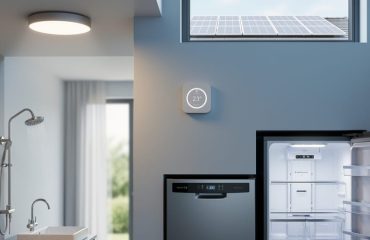
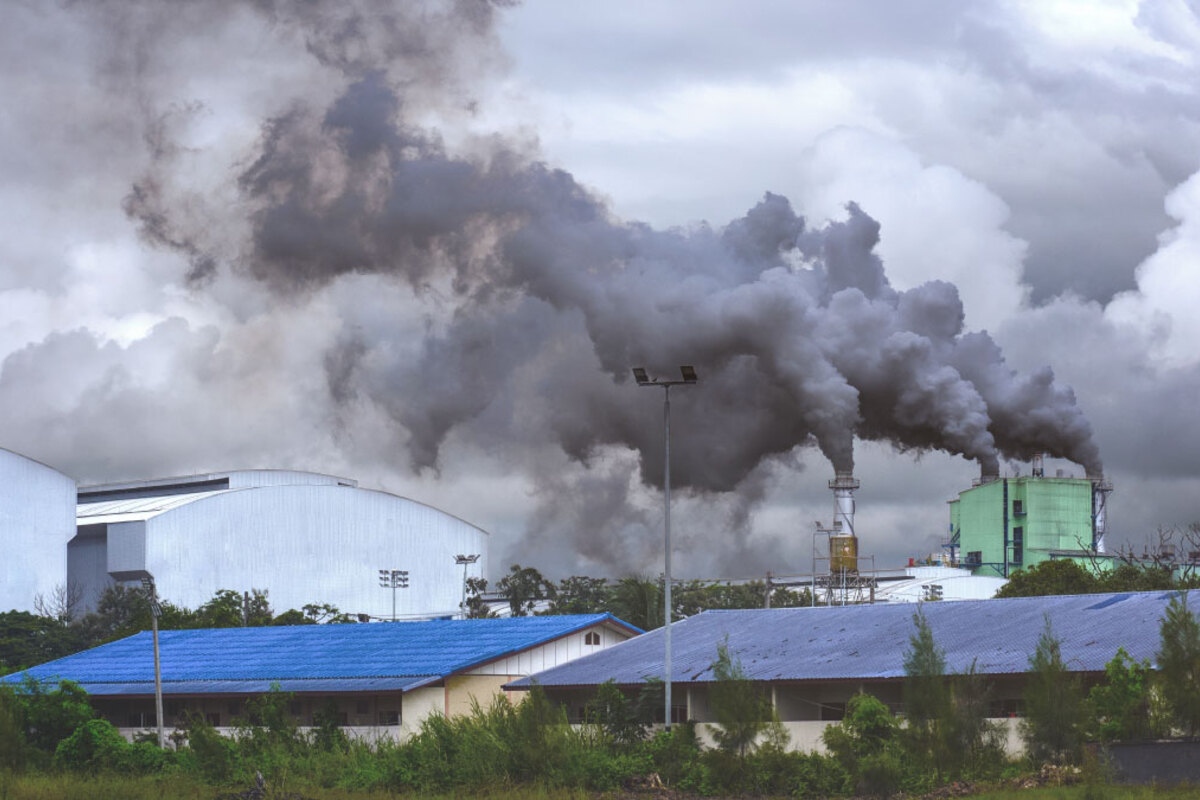
Home sustainability transforms residential properties into efficient, cost-effective environments through strategic energy upgrades, renewable integration, and resource conservation measures that typically reduce utility costs by 20-40% while significantly lowering environmental impact. For facility managers and institutional decision-makers, the same principles that drive commercial building performance apply at the residential scale, creating a blueprint for comprehensive sustainability programs that deliver measurable returns.
The financial case for home sustainability has strengthened considerably in 2026. Federal tax incentives, utility rebate programs, and declining costs for solar panels and battery storage have shortened payback periods on most efficiency investments to under seven years. Organizations managing residential portfolios or supporting employee housing programs can leverage these same strategies across multiple properties, multiplying both environmental and financial benefits.
Successful home sustainability programs follow a clear hierarchy. Energy efficiency improvements come first, reducing overall demand through better insulation, efficient HVAC systems, and LED lighting. These foundational upgrades lower baseline consumption before adding renewable generation, ensuring that solar panels or wind systems are appropriately sized and deliver maximum ROI. Water conservation measures, smart home technology, and sustainable materials round out comprehensive programs.
The implementation path mirrors proven commercial sustainability frameworks: conduct energy audits to identify priority opportunities, sequence improvements to build on previous gains, and track performance metrics to validate results. One university housing department reduced energy consumption across 450 residential units by 32% over three years using this systematic approach, saving $280,000 annually while meeting institutional carbon reduction targets.
The Business Case for Home Sustainability
Home sustainability investments deliver measurable financial returns that extend well beyond reduced utility bills. Understanding these returns helps homeowners make informed decisions about which upgrades to prioritize and when to implement them.
The most immediate benefit appears in monthly energy costs. Comprehensive efficiency improvements typically reduce residential energy consumption by 25-40%, translating to annual savings of $800-$1,500 for average households. Heat pump installations alone can cut heating and cooling costs by 30-50% compared to conventional systems, with payback periods of 7-12 years depending on climate and energy prices.
Property values respond strongly to sustainability features. Homes with solar installations sell for 4-6% more than comparable properties, averaging $15,000-$25,000 in additional value. Energy-efficient homes command premium prices as buyers recognize lower operating costs and increased comfort. In competitive markets, sustainability certifications like ENERGY STAR or LEED differentiation can reduce time-on-market by 20-30%.
Available incentives significantly accelerate ROI. Federal tax credits cover 30% of solar installation costs through 2032, while many states offer additional rebates. Utility companies provide rebates for high-efficiency HVAC systems, insulation upgrades, and smart thermostats, often covering 20-40% of project costs. Some municipalities offer property tax exemptions for renewable energy systems, protecting homeowners from increased assessments.
The financial case strengthens when considering avoided costs. Proactive energy efficiency reduces strain on HVAC systems, extending equipment life by 3-5 years and delaying expensive replacements. Battery storage systems provide backup power during outages, eliminating losses from spoiled food, missed work, and temporary housing.
Long-term protection against energy price volatility offers additional value. Solar systems lock in electricity costs for 25+ years, insulating homeowners from utility rate increases that historically average 2-4% annually. This protection becomes particularly valuable for fixed-income households planning to age in place.
These financial benefits compound over time while simultaneously reducing household carbon emissions by 3-8 tons annually, demonstrating that home sustainability aligns economic and environmental interests rather than requiring trade-offs between them.
Energy Efficiency: Your First Priority
Building Envelope Improvements
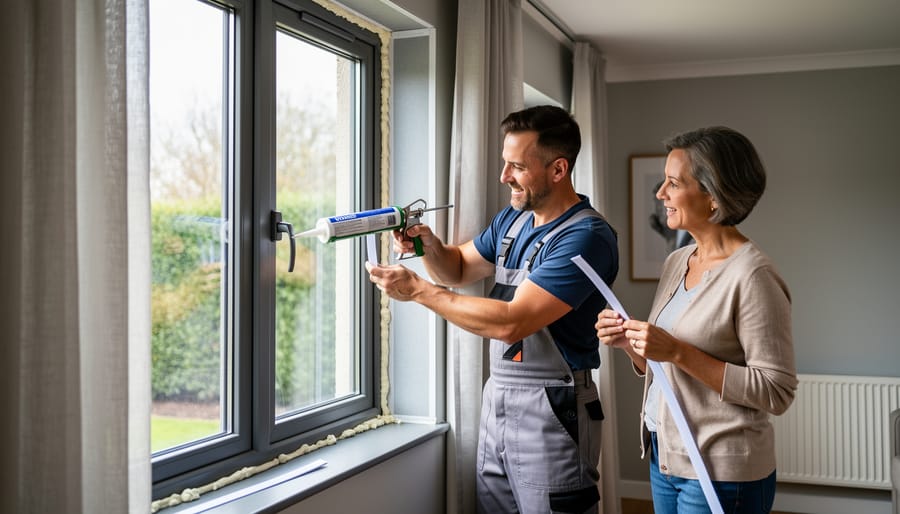
Your home’s building envelope, the physical barrier between conditioned and unconditioned space, determines how hard your HVAC system works. A poorly sealed envelope wastes energy every hour of every day, regardless of how efficient your heating and cooling equipment might be. Addressing envelope deficiencies delivers immediate, measurable reductions in energy consumption.
Start with insulation and air sealing which typically offer the highest return on investment. Attic insulation upgrades to R-38 or R-49 prevent heat loss in winter and heat gain in summer. Wall cavity insulation, where accessible, fills gaps that let conditioned air escape. Air sealing targets the specific leaks that undermine insulation performance: recessed lighting fixtures, electrical outlets, plumbing penetrations, and the joints where walls meet floors and ceilings. A professional blower door test identifies exactly where your home loses air, allowing you to prioritize sealing work.
Window replacements make sense when existing windows are single-pane or damaged. Modern double or triple-pane units with low-E coatings reduce heat transfer by 30-50% compared to older windows. However, if your windows function properly, applying window film or adding storm windows often provides better cost-effectiveness than full replacement.
Weatherstripping around doors and accessible hatches costs little but stops significant air leakage. These envelope improvements work together: proper insulation needs effective air sealing to perform as rated, and sealed penetrations need insulation to prevent thermal bridging.
HVAC and Water Heating Optimization
Your heating, cooling, and water heating systems account for roughly 50-70% of home energy use, making them the highest-impact targets for sustainability upgrades. Replacing aging equipment with high-efficiency alternatives delivers immediate energy savings while reducing your carbon footprint and long-term operating costs.
Heat pumps represent the most versatile upgrade option, functioning as both heating and cooling systems with significantly lower energy consumption than traditional furnaces and air conditioners. Modern air-source heat pumps maintain efficiency even in cold climates, while ground-source (geothermal) heat pumps offer the highest performance in areas with extreme temperature swings. Upgrading to an ENERGY STAR-certified heat pump can cut heating and cooling costs by 30-50% compared to conventional systems, with many homeowners seeing payback periods of 5-10 years depending on local energy rates and climate.
Water heating presents another major opportunity. Conventional tank water heaters waste energy maintaining temperature 24/7, even when hot water isn’t needed. Switching to a heat pump water heater cuts water heating energy by 50-60%, with verified heat pump water heater savings averaging $330 annually for a family of four. Tankless models eliminate standby losses entirely, heating water on demand, though they work best in homes with predictable usage patterns.
Smart controls extend beyond thermostats. Zoned HVAC systems with individual room sensors prevent heating or cooling unoccupied spaces, while maintenance alerts catch filter changes and efficiency drops before they escalate into costly repairs or premature equipment failure.
Lighting and Appliance Upgrades
Lighting and appliances together account for roughly 30% of household electricity consumption, making them prime targets for efficiency gains. The good news: upgrades in these areas deliver immediate savings with minimal disruption.
Start with lighting. LED bulbs use 75% less energy than incandescent bulbs and last 25 times longer. Replace your most-used fixtures first, kitchen overheads, living room lamps, outdoor security lights. A single LED bulb saves about $55 in electricity costs over its lifetime, and Energy Star LED savings multiply quickly across dozens of fixtures. Modern LEDs offer warm color temperatures that match traditional bulbs, eliminating the harsh white light of early models.
For appliances, prioritize replacements when existing units fail rather than prematurely discarding functioning equipment. ENERGY STAR certified refrigerators use 40% less energy than models from 2001. Dishwashers certified under current standards consume less than four gallons per cycle compared to ten gallons for older units. Front-loading washing machines cut both water and energy use substantially versus top-loaders.
Don’t overlook usage habits. Run dishwashers and washing machines with full loads, use cold water settings when possible, and clean refrigerator coils annually to maintain efficiency. Smart power strips eliminate phantom loads from devices in standby mode, addressing the 5-10% of home electricity that powers “off” equipment.
These upgrades require modest upfront investment but generate consistent returns month after month, forming a solid foundation for deeper home sustainability improvements.
Renewable Energy Integration for Homeowners
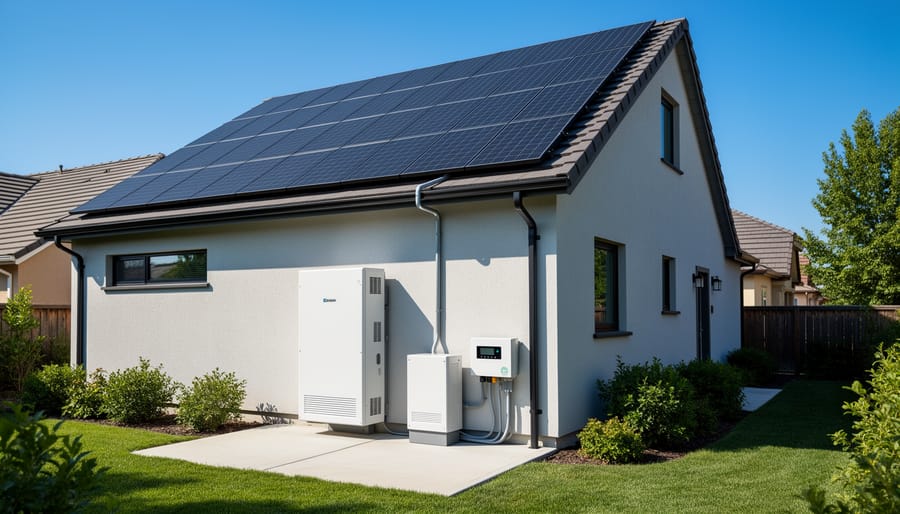
Solar PV System Considerations
Solar panels remain the most accessible renewable energy option for homeowners pursuing genuine home sustainability. The technology has matured significantly, with residential systems now delivering 15-25 year payback periods depending on location, utility rates, and available incentives.
Your site assessment determines viability. South-facing roofs with minimal shade between 9am and 3pm offer optimal performance in the northern hemisphere. East-west orientations produce 10-15% less energy but can still justify installation. Survey trees that might grow into the solar window over the next two decades. Most installers use satellite imagery to calculate shade patterns, but physically checking your roof reveals details software misses. Note roof age, if replacement is likely within five years, coordinate it with solar installation to avoid costly panel removal and reinstallation.
System sizing balances your energy needs against roof capacity and budget. Review 12 months of utility bills to establish baseline consumption. Many homeowners target 80-100% offset rather than full coverage, as the last 20% of energy use often requires disproportionate panel area. A typical residential system ranges from 5-10 kW, producing 6,000-12,000 kWh annually. Oversizing rarely makes financial sense unless you plan to add electric vehicles or heat pumps.
Financing shapes project economics dramatically. Cash purchases deliver the highest long-term returns. Solar loans preserve ownership and tax benefits while spreading costs. Leases and power purchase agreements require no upfront investment but transfer tax credits to the provider and reduce total savings by 20-40%. Federal tax credits currently cover 30% of system costs, with some states offering additional rebates. Net metering policies, where utilities credit excess production, directly affect payback calculations, so verify your local regulations before signing contracts.
Energy Storage Solutions
Battery storage transforms how homeowners use renewable energy by capturing excess solar production during the day for use during evening peak demand periods. Modern lithium-ion battery systems, typically ranging from 10-20 kWh capacity for residential applications, allow you to store solar energy rather than sending it back to the grid at lower rates, then draw from that storage when electricity prices peak or when the sun isn’t shining.
The financial case for battery storage has strengthened considerably as utility rates shift toward time-of-use pricing structures. By charging your battery during off-peak hours or from solar panels and discharging during expensive peak periods, you can reduce electricity costs by 20-40% depending on your utility’s rate structure. For homes in areas with frequent grid outages, battery systems provide backup power for critical loads like refrigeration, medical equipment, and home offices without the noise, emissions, or fuel requirements of traditional generators.
System sizing depends on your specific goals. If you’re primarily focused on daily solar optimization, a battery sized to capture your typical excess solar production (usually 10-13 kWh) works well. For backup power during outages, calculate the wattage of essential loads you need to maintain and how long you need them to run. Most residential systems provide 4-8 hours of whole-home backup or 1-2 days for critical circuits only.
Integration with existing solar systems varies by equipment. Modern hybrid inverters combine solar conversion and battery management in one unit, while AC-coupled systems add battery storage to existing solar installations without replacing the original inverter. Installation costs currently run $8,000-$15,000 including equipment and labor, though federal tax credits covering 30% of the total system cost significantly improve payback periods, which typically range from 7-12 years depending on your electricity rates and usage patterns.
Water Conservation and Wastewater Management
Water efficiency represents one of the most overlooked opportunities in home sustainability, yet it delivers measurable reductions in both utility costs and environmental impact. The average household uses approximately 300 gallons daily, with 70% suitable for conservation through strategic upgrades and behavioral changes.
Start with low-flow fixtures across your home. Modern low-flow showerheads maintain pressure while reducing flow from 2.5 gallons per minute to 1.5 GPM or less, cutting shower water use by 40% without sacrificing comfort. WaterSense-labeled faucet aerators achieve similar reductions at taps. These fixtures typically cost under $50 each and install in minutes, yet a family of four saves roughly 8,000 gallons annually per fixture replaced. High-efficiency toilets represent the single largest water-saving upgrade, reducing per-flush consumption from 3.5 gallons to 1.28 gallons. In homes with older toilets using 5+ gallons per flush, the savings exceed 15,000 gallons per year per toilet.
Appliance upgrades extend water conservation beyond fixtures. ENERGY STAR washing machines use 13 gallons per load compared to 23 gallons for conventional models, while dishwashers certified under the same standard consume just 3.5 gallons per cycle versus 6 gallons for older units.
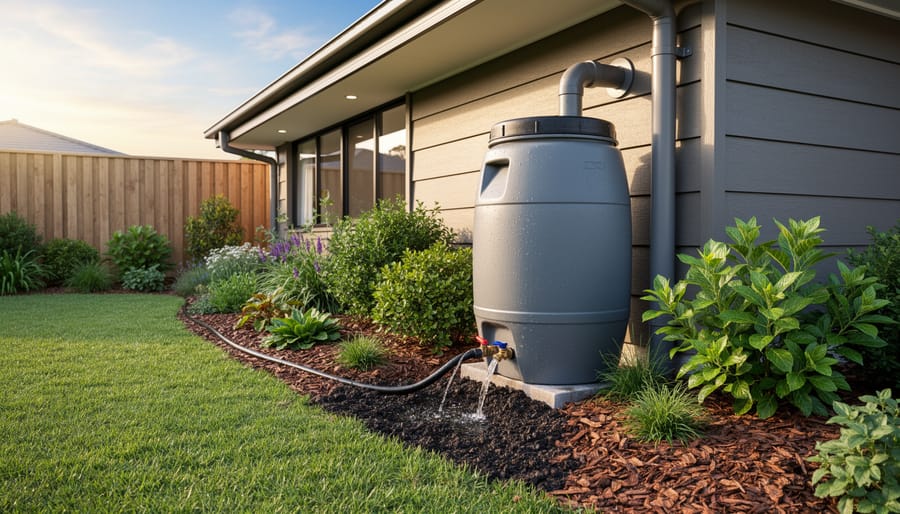
Rainwater harvesting systems collect roof runoff for landscape irrigation, reducing potable water demand for outdoor use that represents 30% of residential consumption in many regions. A basic system with a 500-gallon storage tank costs $1,200 to $2,500 installed and can supply most irrigation needs during growing seasons, depending on roof area and local rainfall patterns.
Greywater systems reuse water from showers, sinks, and laundry for irrigation, diverting 30 to 50 gallons daily from the sewer system. Simple laundry-to-landscape systems start around $200 for DIY installation, while whole-house greywater treatment systems requiring permits and professional installation range from $2,000 to $5,000. These systems work best in regions with year-round outdoor watering needs and appropriate soil conditions.
Smart irrigation controllers reduce outdoor water waste by adjusting schedules based on weather data, soil moisture, and plant needs. EPA estimates these systems cut irrigation water use by 20 to 50%, with payback periods under two years in many climates.
Smart Home Technology for Sustainability
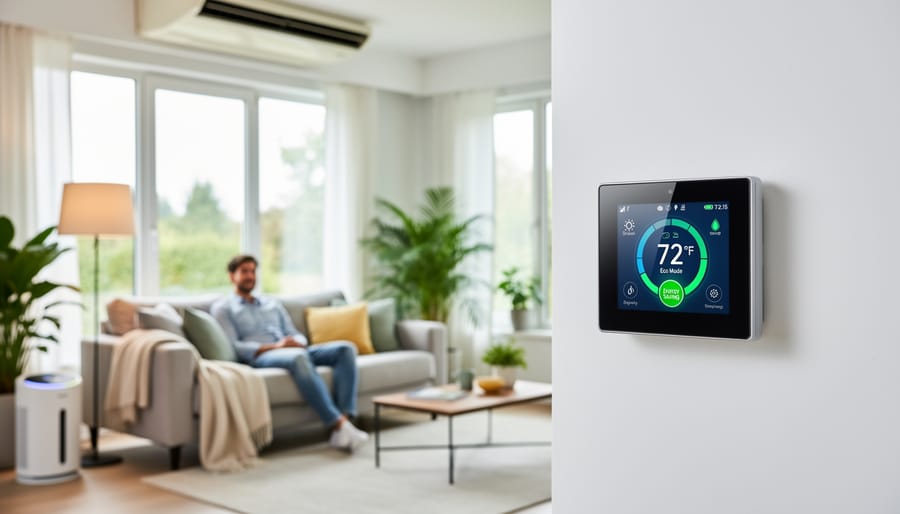
Smart home technology transforms how households manage energy consumption by automating sustainability decisions without sacrificing comfort. These systems deliver meaningful energy savings, typically 10-23% on heating and cooling costs, while eliminating the guesswork from home sustainability efforts.
Smart thermostats represent the foundational automation layer for residential energy management. These devices learn occupancy patterns, adjust temperatures automatically, and optimize HVAC runtime based on weather forecasts and utility rate structures. Models like the Nest Learning Thermostat and Ecobee SmartThermostat deliver immediate efficiency gains through features like geo-fencing, which reduces conditioning when no one is home, and pre-conditioning that reaches target temperatures using less energy. The average household saves $140-180 annually on heating and cooling, with payback periods under two years.
Real-time energy monitoring systems provide unprecedented visibility into household consumption patterns. Circuit-level monitors track individual appliances and identify energy waste that traditional utility bills obscure. When you can see that your old refrigerator consumes $200 annually or that phantom loads from entertainment systems add $150 to your bill, prioritizing replacements becomes straightforward. These systems integrate with mobile apps, sending alerts when consumption spikes unexpectedly, often catching malfunctioning equipment before it drives up costs significantly.
Smart lighting controls extend automation beyond temperature management. Occupancy sensors, daylight harvesting systems, and scheduled dimming reduce lighting energy by 30-50% compared to manual switching. When paired with LED bulbs, these controls maximize efficiency while maintaining ideal lighting conditions throughout the home.
The integration layer matters: systems that communicate through unified platforms like Apple HomeKit, Google Home, or dedicated energy management hubs optimize across all devices simultaneously, amplifying individual savings into comprehensive home sustainability performance.
Case Study: Residential Energy Transformation
The Martinez family’s suburban home transformation demonstrates how systematic sustainability upgrades deliver measurable financial and environmental returns. Over 18 months, they reduced energy consumption by 68% and cut utility bills from $320 to $98 monthly through a strategic combination of efficiency improvements and renewable energy integration.
Their first phase focused on building envelope and efficiency fundamentals. After a professional energy audit revealed significant air leakage and inadequate insulation, they invested $8,500 in attic insulation (from R-19 to R-49), air sealing, and weather stripping. Replacing 23-year-old windows with triple-pane models cost an additional $12,000. These improvements alone reduced heating and cooling demand by 35%, providing immediate monthly savings of $75.
Phase two addressed mechanical systems and appliances. The family replaced their aging gas furnace and air conditioner with a cold-climate heat pump ($14,500 installed), upgraded the water heater to a heat pump model ($2,800), and transitioned all lighting to LEDs while replacing major appliances with ENERGY STAR models ($3,200 total). These upgrades eliminated gas service entirely, further reducing monthly costs by $88.
The final phase integrated renewable energy. A 7.2 kW rooftop solar array ($18,500 after federal tax credit) generates 9,200 kWh annually, covering 92% of remaining electricity needs. Combined with a 10 kWh battery system ($8,000), the home maintains power during outages and exports excess generation to the grid for net metering credits.
Total investment reached $47,500 over 18 months. The family secured a green home improvement loan at 4.9% and captured $13,000 in combined federal tax credits and utility rebates, reducing their net cost to $34,500. Beyond monthly savings, a professional appraisal indicated the upgrades increased property value by approximately $35,000.
The Martinez experience highlights three critical lessons: start with efficiency to minimize renewable system size requirements, phase investments to spread costs while capturing immediate savings, and work with qualified contractors who understand building science rather than accepting the lowest bid.
Financing Your Home Sustainability Projects
Upfront costs shouldn’t block your path to a more sustainable, cost-efficient home. Multiple financing mechanisms exist to fund efficiency upgrades and renewable installations, transforming what might seem like prohibitive investments into manageable projects with measurable returns.
Federal tax credits offer substantial support for residential sustainability improvements. The Residential Clean Energy Credit provides 30% back on solar installations, battery storage, and geothermal heat pumps through 2032. The Energy Efficient Home Improvement Credit covers 30% of insulation, windows, heat pumps, and biomass stoves up to annual limits. These credits directly reduce your tax liability dollar-for-dollar, making them more valuable than deductions.
Energy efficiency financing programs, available through many utilities and state agencies, offer low-interest or zero-interest loans specifically for qualified upgrades. Some programs structure repayment through your utility bill, with monthly savings often exceeding the loan payment from day one. Property Assessed Clean Energy (PACE) financing allows you to repay sustainability investments through property tax assessments over 15-20 years, with the obligation transferring to new owners if you sell.
Green mortgages and home equity products increasingly recognize sustainability’s value. Energy-efficient mortgages let you finance improvements as part of your home purchase, while green home equity loans typically offer better rates than standard products. Many lenders now appraise energy-efficient homes higher, increasing your borrowing capacity.
Utility rebate programs provide immediate cash incentives for specific upgrades. Check your electricity and gas providers’ websites for current offerings on insulation, HVAC systems, smart thermostats, and appliances. Some utilities conduct free or subsidized energy audits identifying which improvements qualify for their highest rebates.
Stack multiple funding sources strategically: combine federal credits with state incentives, utility rebates, and favorable financing to minimize out-of-pocket costs while maximizing your sustainability impact.
Creating Your Home Sustainability Roadmap
Starting your sustainability journey without a clear plan wastes money and dilutes impact. A strategic roadmap prioritizes improvements based on cost, energy savings, and your specific home’s needs, ensuring each dollar spent delivers maximum environmental and financial return.
Begin with a professional home energy audit. While DIY assessments help identify obvious issues like drafty windows, a certified energy auditor uses diagnostic tools, blower door tests, thermal imaging cameras, combustion analyzers, to pinpoint exactly where your home loses energy. Most utility companies offer subsidized or free audits; some programs include instant rebates on recommended upgrades. The audit report ranks improvements by potential savings, creating an evidence-based foundation for your roadmap.
Use the audit findings to build your phased implementation plan:
- Address safety and major inefficiencies first. Fix air leaks, upgrade inadequate attic insulation to R-49 or higher, and replace failing HVAC equipment. These foundational improvements reduce energy waste by 20-40% and make subsequent upgrades more effective.
- Replace outdated appliances and lighting. Transition to LED bulbs throughout your home and upgrade to ENERGY STAR refrigerators, dishwashers, and washing machines as existing units fail. These replacements require minimal disruption and deliver immediate savings.
- Upgrade windows and doors. If your budget allows, replace single-pane windows with ENERGY STAR-certified models. Otherwise, add storm windows or apply low-e film to existing glass. Seal and weatherstrip exterior doors.
- Install renewable energy systems. After maximizing efficiency, add solar panels sized to your reduced energy consumption. Battery storage becomes more cost-effective once you’ve eliminated unnecessary load.
- Implement water conservation and smart controls. Install low-flow fixtures, smart thermostats, and energy monitoring systems. These technologies optimize the efficient systems you’ve installed.
Budget realistically by allocating 60% of funds to efficiency improvements before investing in renewable generation. Most homeowners spread implementation across 3-5 years, tackling highest-impact projects first while monitoring savings to fund subsequent phases. Track your progress using utility bills and energy monitoring data to validate projected returns.
Consider seasonal timing: schedule insulation work during moderate weather, install solar before tax credit deadlines, and coordinate HVAC replacement before peak heating or cooling seasons. This strategic timing minimizes disruption while maximizing available incentives.
Home sustainability represents one of the most effective investments you can make in 2026. The evidence is clear: targeted efficiency upgrades and renewable energy integration deliver measurable financial returns while reducing your environmental impact. Homeowners who take action today position themselves to benefit from lower utility bills, increased property values, and greater energy independence for decades to come.
The path forward is straightforward. Begin with high-impact efficiency measures like insulation upgrades, air sealing, and HVAC optimization. These foundational improvements reduce your energy consumption immediately and create the conditions for successful renewable energy integration later. Once you’ve minimized waste through efficiency, adding solar panels and battery storage becomes significantly more cost-effective because you need less generating capacity to meet your reduced energy demands.
You don’t need to tackle everything at once. A phased approach allows you to spread costs over time while capturing savings from each improvement. Start with a professional home energy audit to identify your biggest opportunities, then prioritize upgrades based on their ROI and your budget. Many homeowners find that savings from early efficiency projects help fund later renewable energy installations.
Professional energy consultancy accelerates your results. Experienced consultants identify optimal upgrade sequences, navigate available incentives, and ensure systems work together efficiently. This expertise typically pays for itself through avoided mistakes and maximized savings. The question isn’t whether to pursue home sustainability, but how quickly you can start capturing the environmental and financial benefits it delivers.