

Energy consultants reduce operating costs by 15 to 30 percent on average through systematic audits, targeted retrofits, and behavior change programs that most organizations cannot execute alone. They bring specialized expertise in building science, utility rate structures, and energy sustainability strategies that translate directly into lower utility bills, extended equipment life, and improved environmental performance.
The decision to hire an energy efficiency consultant typically arises when …
Category: Uncategorized
What Is Hydrogen Production from Nuclear Energy (and How Does It Work)?
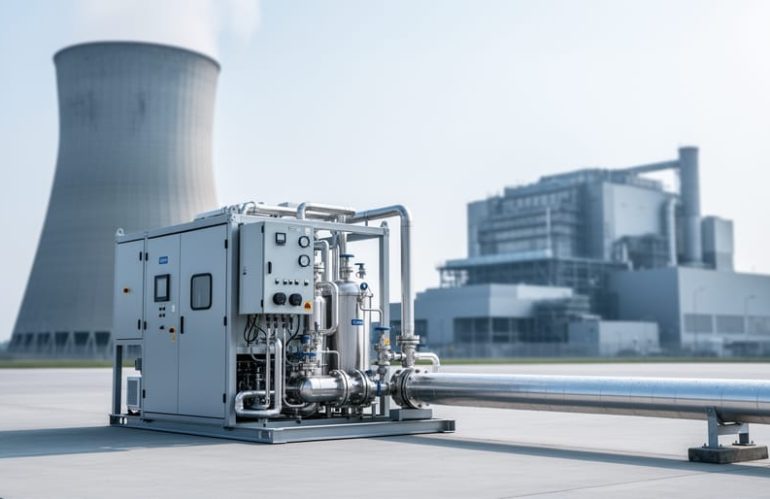
Nuclear hydrogen production uses the thermal energy or electricity from nuclear reactors to split water into hydrogen and oxygen, creating a carbon-free fuel source without burning fossil fuels. Unlike conventional hydrogen production methods that generate significant CO₂ emissions, nuclear-powered processes tap into a reliable, high-energy source that can operate continuously regardless of weather conditions or time of day.
For sustainability officers and facility managers evaluating clean energy pathways in 2026, …
What Is Energy Sustainability and How Does It Drive Long-Term Value?

Energy sustainability means meeting current energy needs without compromising the ability of future generations to meet theirs. For organizations in 2026, this translates to reducing fossil fuel dependence, maximizing energy efficiency, and investing in renewable power sources while maintaining operational performance and financial viability.
The stakes have never been clearer. Rising energy costs, regulatory pressure to reduce carbon emissions, and stakeholder expectations around environmental responsibility are reshaping how hospitals, universities, manufacturers, and government facilities approach their energy strategy. …
Why Green Energy Plans Fail (And How Customization Fixes Everything)

Green energy plans allow organizations to source electricity from renewable sources like wind, solar, and hydropower, reducing carbon footprints while often stabilizing long-term energy costs. For most businesses, universities, and public institutions in 2026, the decision isn’t whether to adopt renewable energy but which approach delivers the best financial and environmental returns for your specific operations.
The market offers three primary pathways: retail green energy plans from utility providers, on-site renewable installations like rooftop solar, and power purchase agreements (PPAs) with renewable developers. Each …