Energy sustainability means meeting current energy needs without compromising the ability of future generations to meet theirs. For organizations in 2026, this translates to reducing fossil fuel dependence, maximizing energy efficiency, and investing in renewable power sources while maintaining operational performance and financial viability.
The stakes have never been clearer. Rising energy costs, regulatory pressure to reduce carbon emissions, and stakeholder expectations around environmental responsibility are reshaping how hospitals, universities, manufacturers, and government facilities approach their energy strategy. Organizations that treat sustainability as a compliance exercise miss the broader opportunity: lower operating costs, enhanced resilience against price volatility, and competitive advantage in an economy increasingly valuing environmental stewardship.
Energy sustainability isn’t an all-or-nothing transformation. Many organizations begin with efficiency improvements that pay for themselves within months, from upgraded HVAC controls to LED lighting retrofits. Others layer in onsite solar generation, battery storage, or power purchase agreements that lock in predictable energy costs while transitioning away from grid-supplied fossil fuels. A community college in the Midwest, for example, cut energy expenses by 34% over three years through a combination of building automation, solar canopies over parking structures, and renegotiated utility contracts.
This article breaks down what energy sustainability means in operational terms, how it works across different facility types, the strategic components that form a comprehensive program, and the financing pathways that make implementation accessible regardless of available capital.
What Energy Sustainability Means for Your Organization
Energy sustainability describes your organization’s ability to meet current energy requirements while protecting the resources and environmental conditions future generations will depend on. It balances three interconnected priorities: reducing environmental harm, maintaining economic competitiveness, and fulfilling social obligations to communities and stakeholders.
For business operations, this means transitioning to energy systems that lower carbon emissions without sacrificing reliability or affordability. Universities apply these principles to reduce operational costs while advancing climate commitments and educating the next generation of sustainability leaders. Hospitals must ensure energy resilience during emergencies while managing tight budgets and meeting patient care standards. Government facilities face mandates to lead by example, demonstrating how public institutions can operate responsibly while stewarding taxpayer resources.
Understanding core concepts helps clarify what energy sustainability requires in practice:
- Renewable Energy
- Power generated from naturally replenishing sources like solar, wind, and geothermal that produce minimal emissions and don’t deplete finite resources.
- Energy Efficiency
- Reducing energy consumption to achieve the same output through upgraded equipment, improved building design, and optimized operations.
- Carbon Neutrality
- Balancing carbon emissions with equivalent offsets or reductions, resulting in a net-zero carbon footprint from energy use.
- Energy Resilience
- The capacity to maintain critical operations during grid disruptions through backup systems, storage, and distributed generation.
- Lifecycle Cost Analysis
- Evaluating total ownership costs including purchase price, installation, maintenance, energy consumption, and disposal over an asset’s entire lifespan.
Environmental stewardship addresses your carbon footprint, air quality impacts, and resource depletion. Economic viability ensures energy decisions support financial stability through predictable costs, operational savings, and competitive positioning. Social responsibility encompasses health and safety, community impact, workforce engagement, and transparent reporting to stakeholders.
These three pillars work together. An economically sound renewable energy project that ignores community concerns fails the social test. A well-intentioned efficiency program that strains budgets undermines economic viability. True energy sustainability requires all three elements working in concert to create lasting value.
How Energy Sustainability Works in Practice
The Role of Energy Sustainability Financing
Energy sustainability financing transforms aspirational climate goals into funded reality. Even when organizations recognize the long-term value of renewable energy and efficiency upgrades, capital constraints often delay or derail implementation. Strategic financing structures bridge this gap by shifting how costs are distributed over time and who bears the initial investment risk.
Power purchase agreements allow organizations to procure renewable energy without owning the generation assets. A third-party developer builds and operates a solar array or wind farm, and your organization agrees to purchase the electricity at a predetermined rate for 15 to 25 years. This eliminates upfront capital expenditure while locking in predictable energy costs that typically trend below utility rates over the contract term.
Energy-as-a-service models take this concept further. A provider installs, owns, and maintains efficiency equipment or renewable systems on your property. You pay for the energy savings or clean power delivered rather than the hardware itself. The provider manages performance risk and system maintenance, making comprehensive upgrades accessible to organizations without dedicated energy management staff.
Performance contracting structures payments around verified results. An energy service company implements improvements and guarantees specific savings. Your organization repays the investment from the documented cost reductions, creating a self-funding mechanism where the project pays for itself through operational savings.
Green bonds and specialized loan products offer favorable terms for sustainability projects, recognizing their risk profile and public benefit. These instruments lower borrowing costs while demonstrating environmental commitment to stakeholders and investors who increasingly evaluate organizations on climate action.
Core Components of an Energy Sustainability Strategy
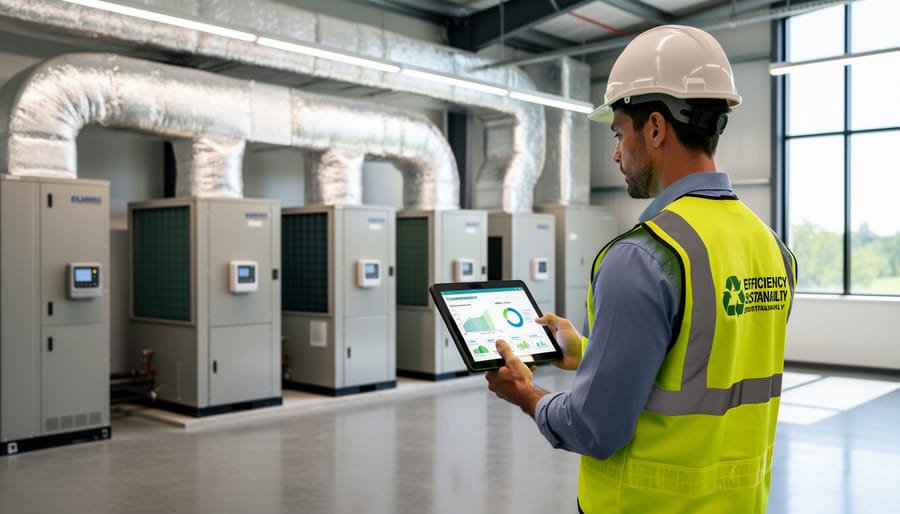
Building an effective energy sustainability strategy requires a systematic approach that addresses multiple dimensions of energy use. Organizations that treat sustainability as a single initiative, installing solar panels or replacing light bulbs, miss the larger opportunity to create integrated systems that deliver compounding benefits over time. A comprehensive strategy coordinates five core components that work together to reduce costs, improve resilience, and meet environmental commitments.
Renewable energy procurement establishes the foundation for sustainable operations. This goes beyond purchasing renewable energy credits; it involves securing long-term agreements for solar, wind, or other clean power through mechanisms like power purchase agreements or community solar subscriptions. Universities and hospitals increasingly structure these agreements to lock in predictable energy costs while transitioning away from fossil fuels. The procurement process requires analyzing current energy loads, evaluating available renewable resources in your region, and negotiating terms that align with budget cycles and sustainability timelines.
Efficiency upgrades address the demand side of the equation. Even the most ambitious renewable energy program loses effectiveness if the organization wastes energy through outdated equipment and inefficient systems. Targeted improvements create immediate savings that fund further sustainability investments:
- Solar and wind procurement agreements that provide fixed-rate clean energy for 15-25 years
- LED lighting retrofits and HVAC system upgrades that cut consumption by 30-50% in most facilities
- Battery storage systems that capture excess renewable generation and provide backup during outages
- Carbon accounting platforms that measure emissions across all scopes and track reduction progress
- Employee and community engagement programs that build support and change behavior patterns
Energy storage and resilience capabilities ensure continuity when the grid fails or renewable generation fluctuates. Battery systems paired with solar installations allow critical facilities like hospitals to maintain operations during power disruptions. This component has grown from a nice-to-have feature to an operational necessity as extreme weather events increase in frequency and duration.
Emissions tracking and reporting systems provide the measurement framework that validates progress and identifies opportunities. Carbon accounting platforms integrate data from utility bills, fuel consumption, and operational activities to calculate scope 1, 2, and 3 emissions. These systems support compliance with disclosure requirements while giving leadership the metrics needed to make informed decisions about where to invest next.
Stakeholder engagement transforms sustainability from a facilities department project into an organizational commitment. Engaging employees, students, patients, or community members creates advocates who reinforce sustainable practices daily and support budget allocations for major initiatives.
Where Energy Sustainability Delivers the Greatest Impact
Energy sustainability transforms from abstract concept to measurable value when applied to real-world operations. Different sectors face distinct pressures, regulatory mandates, budget constraints, operational risks, stakeholder expectations, and sustainability strategies deliver targeted solutions to each.
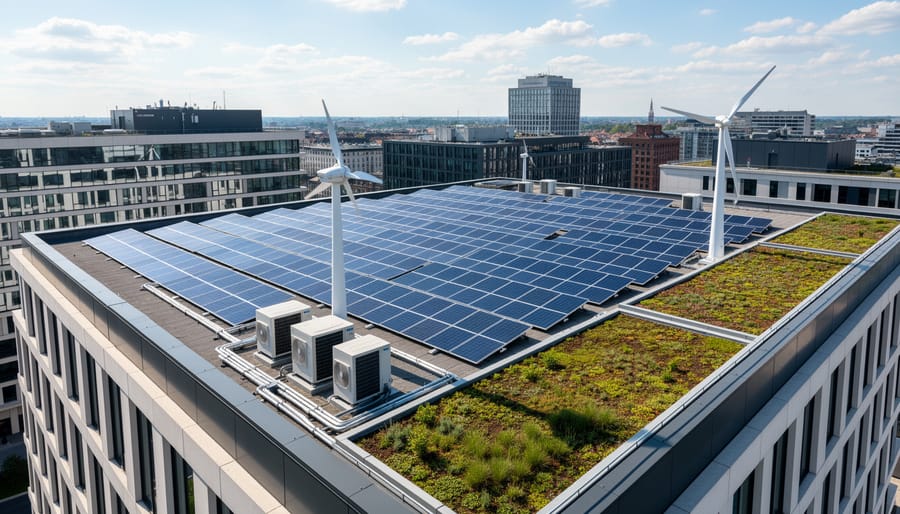
Universities operate massive campuses with constant energy demand from residence halls, laboratories, data centers, and administrative buildings. Energy costs often represent the second or third largest line item in operating budgets. By implementing comprehensive sustainability programs, solar arrays on campus rooftops, geothermal systems for heating and cooling, LED retrofits across facilities, institutions typically reduce energy spending by 20-35% within five years. These savings free up millions for academic programs and research. Equally important, visible sustainability commitments strengthen recruitment, satisfy student and faculty activism, and position universities as innovation leaders. Campus sustainability projects also create living laboratories where students gain hands-on experience with renewable technologies and energy management systems.
Hospitals cannot afford energy interruptions. Patient care equipment, refrigeration for medications and biological materials, HVAC systems maintaining sterile environments, all require uninterrupted power. Energy sustainability in healthcare goes beyond cost savings to mission-critical resilience. Combined heat and power systems, battery storage paired with solar installations, and microgrid capabilities allow hospitals to maintain operations during grid failures. During extreme weather events or infrastructure failures, these systems have kept emergency departments, operating rooms, and intensive care units fully functional. The financial case remains strong, healthcare facilities cutting energy use by 25-30% through efficiency upgrades and renewable procurement, but the resilience benefit often justifies investment on its own.
Manufacturing facilities face both cost pressure and carbon accountability from supply chain partners and investors. Energy-intensive processes, metal fabrication, chemical production, food processing, offer substantial efficiency opportunities. Variable-speed motors, waste heat recovery, process optimization, and on-site renewable generation routinely cut energy consumption by 15-25% while reducing Scope 1 and Scope 2 emissions by 40% or more. These improvements directly lower production costs and strengthen competitive positioning as customers increasingly demand low-carbon products.
Government agencies operate under explicit sustainability mandates while managing taxpayer scrutiny of spending. Federal, state, and municipal facilities demonstrate leadership through measurable action, installing solar on public buildings, converting vehicle fleets, upgrading aging infrastructure. Energy performance contracting allows agencies to fund improvements through guaranteed savings, addressing budget constraints while meeting legal requirements and public expectations for environmental stewardship.
Real-World Energy Sustainability Success
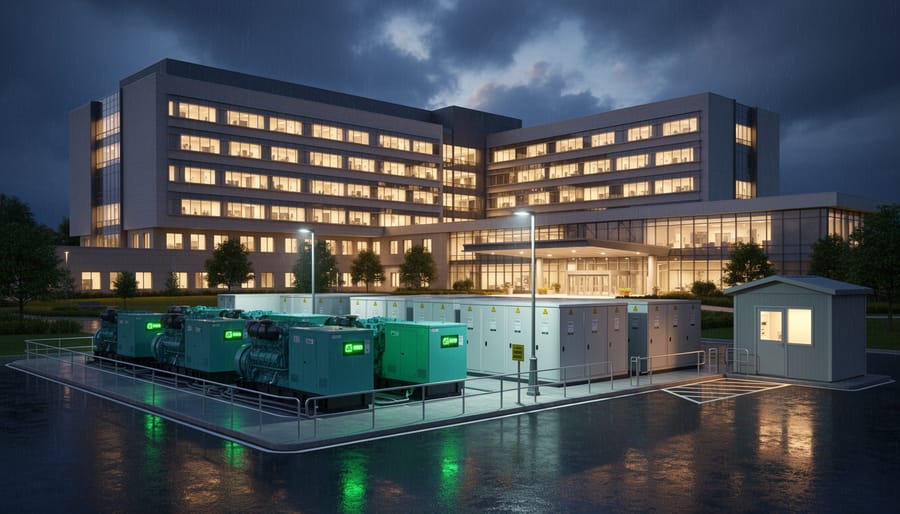
Boston University’s comprehensive energy sustainability program demonstrates how a large institution can achieve measurable environmental and financial results through strategic planning and innovative financing. Facing rising energy costs and ambitious carbon reduction commitments, the university launched a multi-phase initiative in 2018 that combined deep efficiency retrofits with renewable energy procurement.
The university started with LED lighting upgrades and building automation systems across 300 campus buildings, which required minimal upfront investment. These improvements reduced electricity consumption by 18% within the first year. The savings generated cash flow that the university reinvested into larger projects: a campus-wide steam system overhaul, advanced HVAC controls, and window replacements in older residence halls.
For renewable energy, Boston University structured a power purchase agreement with a Massachusetts solar farm, locking in favorable electricity rates for 20 years while sourcing clean energy without capital expenditure. This PPA covers roughly 25% of the campus’s annual electricity needs.
By 2024, the program had delivered $6.2 million in annual energy cost savings and reduced greenhouse gas emissions by 32%. The project achieved full payback in under six years through a combination of utility savings and avoided energy price escalation.
The key lesson: phasing projects allowed the university to use early wins to finance deeper improvements. Starting with quick payback measures built internal momentum and demonstrated value to stakeholders, which proved essential when seeking approval for larger investments. The financing approach, blending internal savings, external PPAs, and performance contracts, eliminated the need for large capital outlays while maintaining operational control.
Common Questions About Energy Sustainability
What’s the difference between energy efficiency and energy sustainability?
Energy efficiency focuses on reducing waste and using less energy to perform the same tasks, like upgrading to LED lighting or improving HVAC systems. Energy sustainability encompasses efficiency but goes further, integrating renewable energy sources, long-term resource planning, and resilience strategies to ensure your organization can meet its energy needs indefinitely without depleting resources or increasing environmental harm.
How long does it typically take to see ROI on energy sustainability projects?
Return on investment varies by project type and financing approach. Simple efficiency upgrades like lighting retrofits often pay for themselves within two to four years, while comprehensive renewable installations may take seven to twelve years under traditional ownership models. Performance contracts and energy-as-a-service arrangements can deliver immediate savings by eliminating upfront capital costs.
Can small organizations pursue energy sustainability, or is it only feasible for large enterprises?
Energy sustainability is scalable to organizations of any size. Small facilities can start with high-impact efficiency measures, participate in community solar programs, or leverage financing options designed for smaller projects. The key is prioritizing improvements that match your budget and operational footprint rather than attempting enterprise-scale transformations immediately.
What are the essential first steps for an organization new to energy sustainability?
Begin with a comprehensive energy audit to identify where you’re using energy and where you’re wasting it. Set clear, measurable goals tied to your organizational priorities, whether cost reduction, emissions targets, or resilience. Then explore financing mechanisms that align investment with savings, and build internal support by demonstrating how sustainability advances your broader mission.
How does energy sustainability support ESG goals?
Energy sustainability directly strengthens the environmental pillar of ESG by reducing carbon emissions and resource consumption. It supports governance through transparent reporting and compliance with climate mandates, and advances social responsibility by demonstrating leadership, creating healthier facilities, and contributing to community resilience. Investors and stakeholders increasingly view energy sustainability as a measurable indicator of long-term organizational viability.
These questions reflect the most common concerns we hear from organizations evaluating their first energy sustainability initiatives. The answers aren’t theoretical, they’re drawn from real projects where leadership teams had to justify investments, navigate budget constraints, and prove that sustainability delivers tangible value beyond compliance checkboxes. Your specific timeline and approach will depend on your facility’s current energy profile, available capital, and strategic priorities, but the underlying principles remain consistent across sectors and scales.
Practical Steps to Begin Your Energy Sustainability Journey
Starting an energy sustainability initiative doesn’t require an immediate overhaul of your entire facility. Begin with an energy audit conducted by a certified professional who can identify where you’re losing efficiency and money. This assessment reveals quick wins, often simple fixes like optimizing HVAC schedules, upgrading lighting to LED, or addressing compressed air leaks, that deliver measurable savings within months and build momentum for larger projects.
Set specific, measurable goals that reflect your organization’s priorities. Rather than vague commitments, establish targets like reducing energy consumption by 15% within two years or sourcing 30% of electricity from renewables by 2028. Align these benchmarks with existing organizational objectives, whether that’s cost reduction, regulatory compliance, or ESG reporting requirements.
Explore financing options early in the planning process. Performance contracting and energy-as-a-service models can eliminate upfront capital barriers, allowing you to implement improvements funded by future energy savings. Talk with providers who specialize in working with organizations similar to yours, they understand the budget cycles, procurement processes, and approval structures you navigate.
Build internal support by demonstrating financial and operational benefits to stakeholders. Share audit findings with facilities managers, present cost-benefit analyses to finance teams, and communicate environmental impact to board members or community stakeholders. Early wins create credibility and resources for more ambitious initiatives.
Partner with experienced consultants who’ve guided similar organizations through sustainability transitions. Their expertise helps you avoid common pitfalls, prioritize investments, and develop realistic implementation timelines that fit your operational constraints.
Energy sustainability represents more than an environmental commitment. It’s a strategic investment that reduces operating costs, strengthens organizational resilience, and positions your institution as a leader in responsible resource management. The financial barriers that once made large-scale renewable projects seem out of reach have shifted dramatically. Today’s financing models, from performance contracts to energy-as-a-service agreements, align project costs with realized savings, making ambitious transitions both feasible and fiscally sound.
The organizations achieving the greatest impact started exactly where you are now: recognizing the need and deciding to act. Begin with an energy audit to establish your baseline. Set clear, measurable goals. Explore financing structures that match your budget realities. Each step forward builds momentum toward a more sustainable operation and a healthier bottom line.